
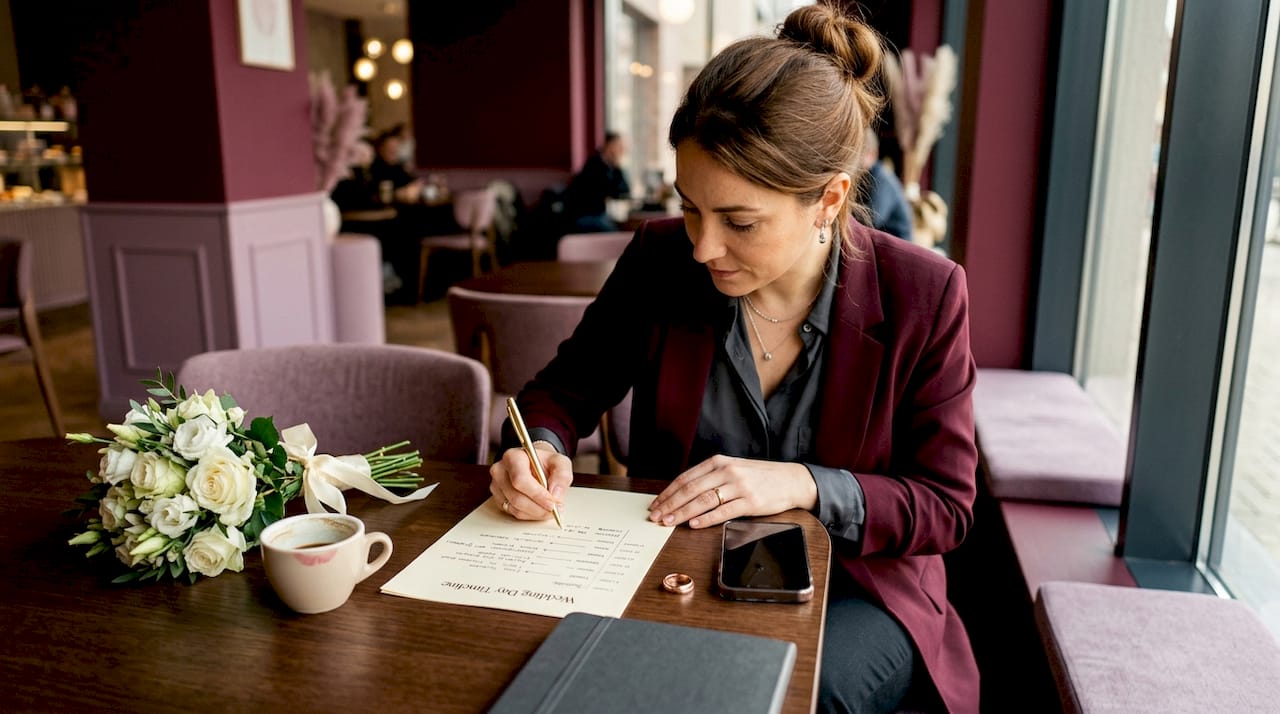
Bar service timing is defined as the deliberate scheduling and pacing of drink service throughout a wedding to match guest demand at each stage of the event. Get it right, and guests stay happy, mingling, and engaged. Get it wrong, and long lines form within minutes, disrupting the mood you spent months building. The hospitality industry sets a clear benchmark: 1–2 minutes per drink is the target service time, with a hard ceiling of 5 minutes during peak surges. That standard exists because timing is not just a logistics detail. It is the invisible structure that holds your wedding day together.
Why bar service timing matters at weddings
Bar service timing controls the rhythm of your entire reception. Every phase of a wedding, from the cocktail hour arrival to the first dance, creates a different level of demand at the bar. When service keeps pace with those shifts, guests feel comfortable and the event flows naturally. When it falls behind, frustration builds fast.
The cocktail hour is the most pressure-filled window of the day. Guests arrive from the ceremony all at once, and the first 15–20 minutes produce a concentrated surge in demand. Front-loading drink service during this window, using pre-poured signature drinks or fast-serve options, prevents the bottleneck that ruins first impressions. A well-timed bar during cocktail hour sets the tone for everything that follows.
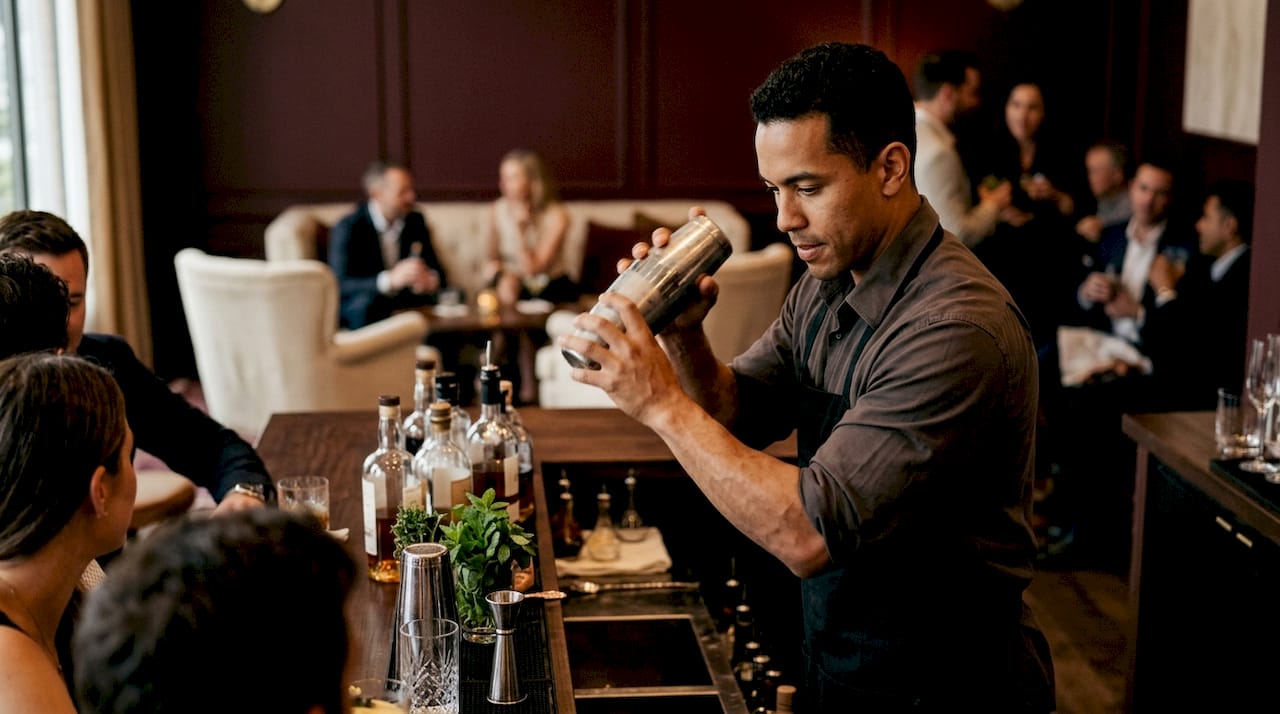
Timing also connects directly to how guests perceive the event overall. A bar that keeps up with demand feels effortless. One that falls behind feels chaotic, even if every other detail is perfect. Couples who understand the importance of bar timing before they book their bar team make far better decisions about staffing, layout, and menu design.
What are the critical timing moments during a wedding bar service?
Three moments during a wedding create the sharpest spikes in bar demand. Each one requires a specific response.
- Post-ceremony arrival. Guests leave the ceremony and head straight to the bar. This is the single largest surge of the day. The first 15–20 minutes of cocktail hour are the most critical, and queues form immediately if the bar is not ready to absorb the rush.
- Post-speeches surge. After toasts end, guests who held back during the formal moment all move at once. This creates a secondary spike that catches many bar teams off guard.
- Dance floor opening. When the DJ or band kicks off, guests want a drink in hand. This third surge is shorter but intense, and a slow bar at this moment kills the energy of the opening songs.
- Dinner service transitions. Guests moving between courses often visit the bar. These smaller waves are predictable and easy to manage with proper staffing.
- Late-night wind-down. Demand drops but does not disappear. Slower service is acceptable here, but the bar must remain accessible.
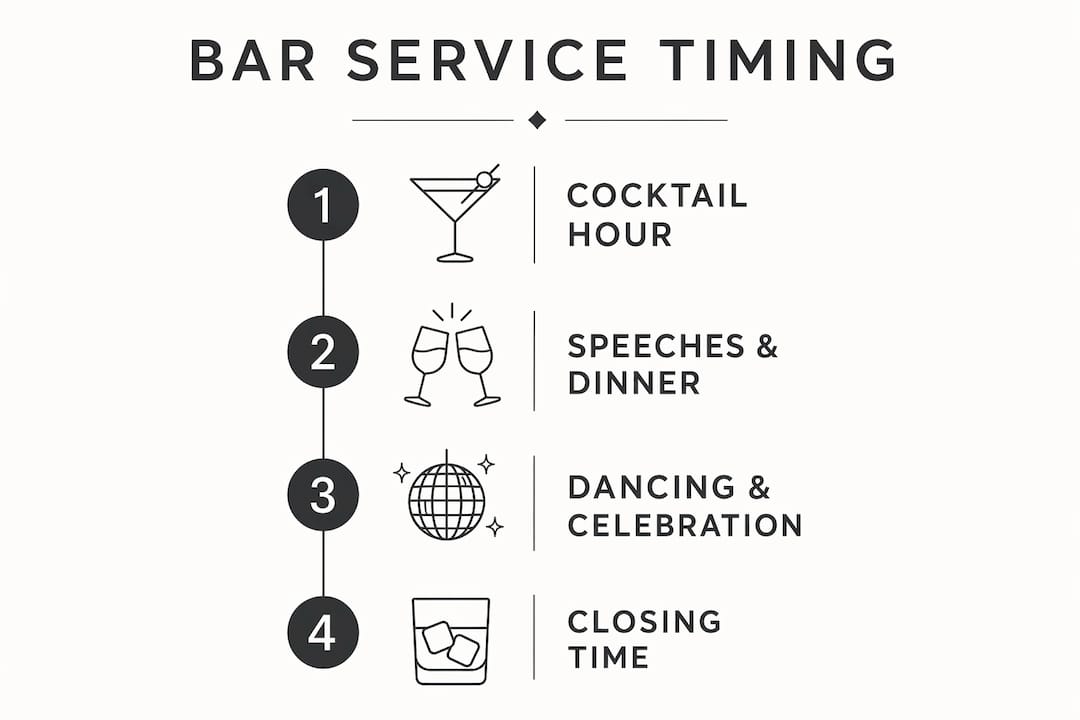
Each of these moments has a different character. The cocktail hour surge is wide and sustained. The post-speech and dance floor surges are sharp and brief. Planning your wedding drink service schedule around these five windows gives your bar team a clear map to work from.
Pro Tip: Brief your bartenders on the exact wedding timeline before the event starts. A bartender who knows speeches end at 7:15 PM can pre-stage drinks and be ready for the surge at 7:16 PM.
How does bar service timing influence guest satisfaction and event flow?
Timely bar service does more than prevent lines. It actively shapes how guests feel about the entire event. When drinks arrive quickly, guests relax, conversations start, and the energy in the room builds naturally. When guests wait, they focus on the wait instead of the celebration.
“A well-paced bar acts like an invisible rhythm, matching each chapter of the wedding to keep guests comfortable and the event moving forward. When the pacing breaks, guests notice it before they can even name what feels off.”
The psychological impact of waiting is real and measurable. Bar service operates as a high-frequency interactive system where each interaction either reinforces or breaks guest engagement. An experienced bartender times the next drink offer to when a guest’s glass is about 25% full. That small detail keeps the conversation going and prevents the moment when a guest decides to stop drinking or leave the area entirely.
Poor timing also disrupts formal moments. A long line at the bar during speeches creates noise, movement, and distraction. Guests who cannot get a drink before toasts begin feel unsettled. Those who join a queue during the toasts disrupt the room. Adjusting bar pacing to slow down or pause during speeches, then surge immediately after, keeps the formal tone intact while rewarding guests the moment the moment passes.
What strategies ensure optimal bar service timing at weddings?
Preventing timing failures requires planning that starts weeks before the event, not hours before.
-
Start planning 4–8 weeks out. Beverage planning at least 4 to 8 weeks before the wedding gives you time to align staffing levels, inventory, and the bar schedule with your full event timeline. Last-minute decisions lead to understaffed bars and empty shelves at the worst moments.
-
Simplify your cocktail menu. Limiting signature drinks to 1 or 2 options with fewer preparation steps cuts service time dramatically. A bartender making a simple spritz serves three guests in the time it takes to build one layered cocktail. Fewer choices also reduce decision time at the bar, which is a hidden cause of slow service.
-
Use a front-loaded drink strategy. Pre-pour signature drinks before guests arrive at cocktail hour. Have trays ready to pass the moment the ceremony ends. This absorbs the first wave of demand before guests even reach the bar.
-
Fix your bar layout before the event. Bar layout and multiple service points affect queue formation independent of how many bartenders you have. A single entry point creates a bottleneck even with three bartenders behind the bar. Two bars or a bar with access from both sides can cut wait times in half without adding staff.
-
Match staffing to guest count and event complexity. A 150-person wedding with a full cocktail menu needs more bartenders than a 60-person event with beer and wine only. Work with your bar team to calculate the right ratio before you sign the contract.
-
Build buffer windows into the schedule. Schedule 10–15 minutes before each major event phase for restocking, ice replenishment, and bar resets. A bar that runs out of ice during the dance floor opening cannot recover quickly without a planned buffer.
-
Add grab-and-go options. Self-serve stations with bottled water, canned beer, or pre-poured wine reduce pressure on the main bar during peak moments. Guests who want something simple get it instantly, and the bar team can focus on more complex orders.
Pro Tip: Ask your venue about bar placement during the site visit, not the week before the wedding. Moving a bar after setup is expensive and sometimes impossible.
How can couples incorporate bar timing into their wedding day timeline?
Bar timing works best when it is built into the wedding timeline from the start, not added as an afterthought.
- Coordinate bar opening with ceremony end. The bar should be fully staffed and stocked before the last guest leaves the ceremony. A bar that opens 10 minutes late loses the cocktail hour’s most valuable window.
- Slow or pause service during speeches. Work with your bartenders to reduce activity at the bar during formal toasts. This keeps the room quiet and focused.
- Surge service immediately after speeches. The moment toasts end, the bar should be ready for a rush. Pre-stage drinks and have bartenders in position before the last speech finishes.
- Plan the bar close with lead time. Closing the bar 30–45 minutes before the event ends gives guests time to get a final drink without a last-minute rush. It also gives your bar team time to begin breakdown without disrupting the event.
- Confirm all timing details with your bar team in writing. A liquor catering contract should include specific open and close times, staffing levels, and restocking schedules.
The table below shows a sample bar service schedule aligned with a typical wedding timeline.
| Wedding phase | Bar service action |
|---|---|
| Ceremony ends (5:00 PM) | Bar opens fully staffed, pre-poured drinks ready |
| Cocktail hour (5:00–6:00 PM) | Front-loaded service, passed trays, grab-and-go active |
| Dinner service (6:00–7:30 PM) | Moderate pace, table wine service begins |
| Speeches (7:00–7:30 PM) | Bar activity slows, bartenders pre-stage post-speech drinks |
| Dance floor opens (7:30 PM) | Full surge, all stations active |
| Bar close (9:30 PM) | Final call announced, breakdown begins at 10:00 PM |
The average wedding bar stays open about 5 hours, covering cocktail hour through the end of the reception. That 5-hour window contains at least three distinct demand peaks, each requiring a different response from your bar team.
Key Takeaways
Bar service timing is the single most controllable factor in how smoothly a wedding reception flows from cocktail hour through the final dance.
| Point | Details |
|---|---|
| Set a timing benchmark | Target 1–2 minutes per drink, with a 5-minute maximum during peak surges. |
| Front-load cocktail hour | Pre-pour signature drinks and use passed trays during the first 15–20 minutes of arrival. |
| Simplify the menu | Limit signature cocktails to 1–2 options to cut prep time and reduce guest decision delays. |
| Fix the layout first | Multiple service points and open bar access reduce queues more reliably than adding bartenders alone. |
| Build timing into the contract | Confirm open/close times, staffing ratios, and restocking windows in writing before the event. |
The detail most couples overlook until it’s too late
I have worked enough Las Vegas weddings to know that bar timing is almost always the last thing couples think about and the first thing guests notice when it goes wrong. Couples spend months choosing florals and music, then hand off the bar to whoever is available without a single conversation about timing.
The biggest mistake I see is treating the cocktail hour like a warm-up. It is not. It is the highest-pressure window of the entire day, and a slow bar in that first 20 minutes creates a mood that takes an hour to recover from. Guests who wait in line at the start of a party arrive at dinner already a little frustrated. That frustration colors everything else.
The second mistake is assuming more bartenders solve every problem. They do not. I have seen bars with three skilled bartenders create 20-person lines because the layout forced everyone into a single entry point. Bar placement and flow matter as much as headcount.
My honest advice: have a direct conversation with your bar team about the timeline at least four weeks out. Give them the full event schedule, not just the start and end time. A professional bar team will tell you exactly where the pressure points are and how to address them. If they cannot, that is useful information too.
— Brennon
How Liquidcouragelv helps couples get bar timing right
Liquidcouragelv specializes in mobile bartending and liquor catering for weddings across Las Vegas and Henderson, Nevada. Every event starts with a detailed planning conversation that covers the full wedding timeline, not just the drink menu. The team maps peak demand windows, recommends staffing levels based on guest count, and coordinates bar placement to prevent the layout problems that cause most queue issues.
Couples who want a bar that keeps pace with their wedding day, from the cocktail hour surge through the final dance, can explore mobile bar setup options or review the full wedding beverage catering guide to see how Liquidcouragelv structures service for events of every size. Reach out directly to start building a bar plan that fits your timeline.
FAQ
What is the ideal bar service time per drink at a wedding?
The industry standard is 1–2 minutes per drink under normal conditions, with a maximum of 5 minutes during peak crowd surges. Exceeding 5 minutes consistently leads to visible queues and guest frustration.
When should the wedding bar open?
The bar should open the moment cocktail hour begins, immediately after the ceremony ends. Having the bar fully staffed and stocked before guests arrive prevents the first and largest demand surge from creating a backlog.
How long does a wedding bar typically stay open?
The average wedding bar stays open approximately 5 hours, covering the cocktail hour and the full reception. Closing 30–45 minutes before the event ends allows for a final call without a last-minute rush.
How many bartenders do I need for my wedding?
The right number depends on guest count, menu complexity, and bar layout. A simplified menu with multiple service points can handle more guests per bartender than a full cocktail menu with a single bar entry point.
Should the bar slow down during speeches?
Yes. Reducing bar activity during formal toasts keeps the room quiet and focused. Pre-staging drinks before speeches end lets the bar team surge service the moment toasts are finished, rewarding guests immediately.