
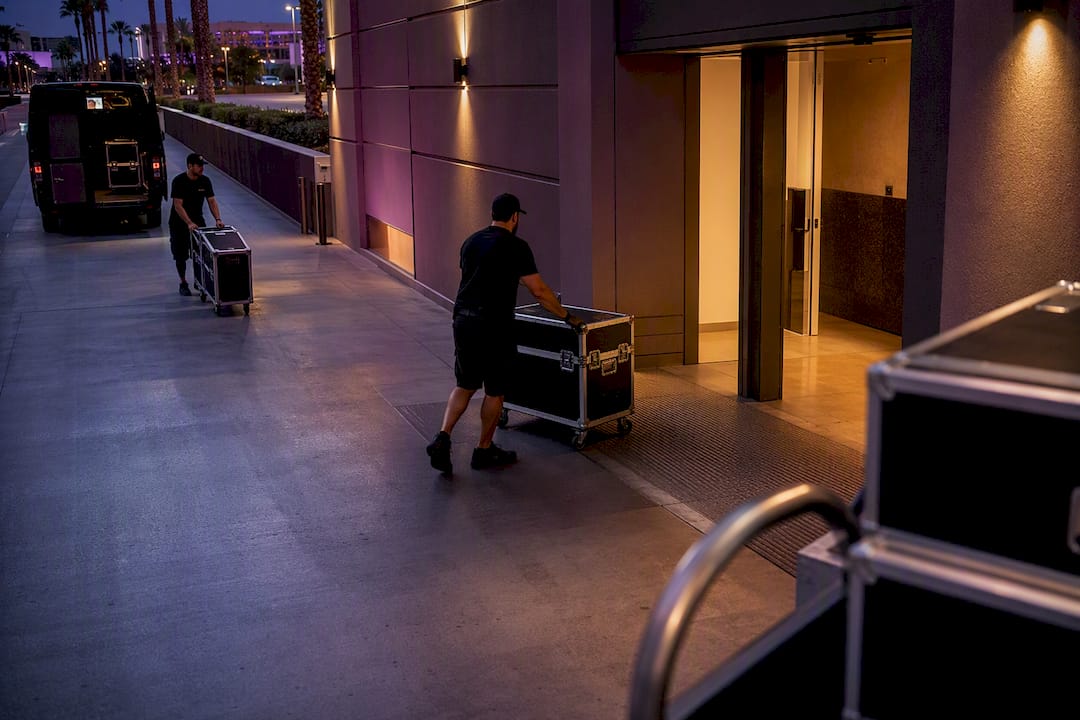
Load-in logistics is the plan for getting a bar, ice, staff, and gear into your venue and setting up before guests arrive: arrival windows, entrance access, staging space, power, and a teardown sequence at the end. The single highest-impact move you can make is simple. Get the venue’s written loading rules in hand and build a timed plan with your bar vendor before the week of the event. Everything else in this guide, including how Liquid Courage handles it, flows from that one step.
TL;DR:
- Confirm the venue’s vendor policy, property map, and utilities, including power requirements and water access, at least two to three weeks before the event.
- Stagger vendor arrivals with heavy equipment first, followed by décor, catering, and the bar, ensuring realistic setup times based on the bar type.
- Staff should arrive well before opening to build the bar and batch cocktails, with clear arrival and handoff times to prevent delays.
- Verify power, water, and ice needs in advance, and plan for backup solutions like generators and portable water sources if necessary.
- Use a detailed load-in schedule, shared with all vendors, that specifies timing, staging plans, and key contacts to streamline setup and avoid common bottlenecks.
Table of Contents
- What to Ask Your Venue Before You Book Anyone
- Building a Timed Load-In Schedule That Doesn’t Collide
- When Should Bartenders and Barbacks Show Up?
- Power, Water, and Ice: The Utility Checklist Nobody Skips Twice
- Where Gear Gets Staged and How Storage Actually Works
- The Day-Of Checklist You Can Copy Into Any Vendor Email
- What Liquid Courage Sees Go Wrong (and How We Fix It)
- Let Liquid Courage Handle Your Load-In From Start to Finish
- Sources
What to Ask Your Venue Before You Book Anyone
Every venue has its own rulebook for vendors, and most of it never makes it into the sales conversation. You have to ask for it directly, usually from the events coordinator or venue manager, not the person who sold you on the space.
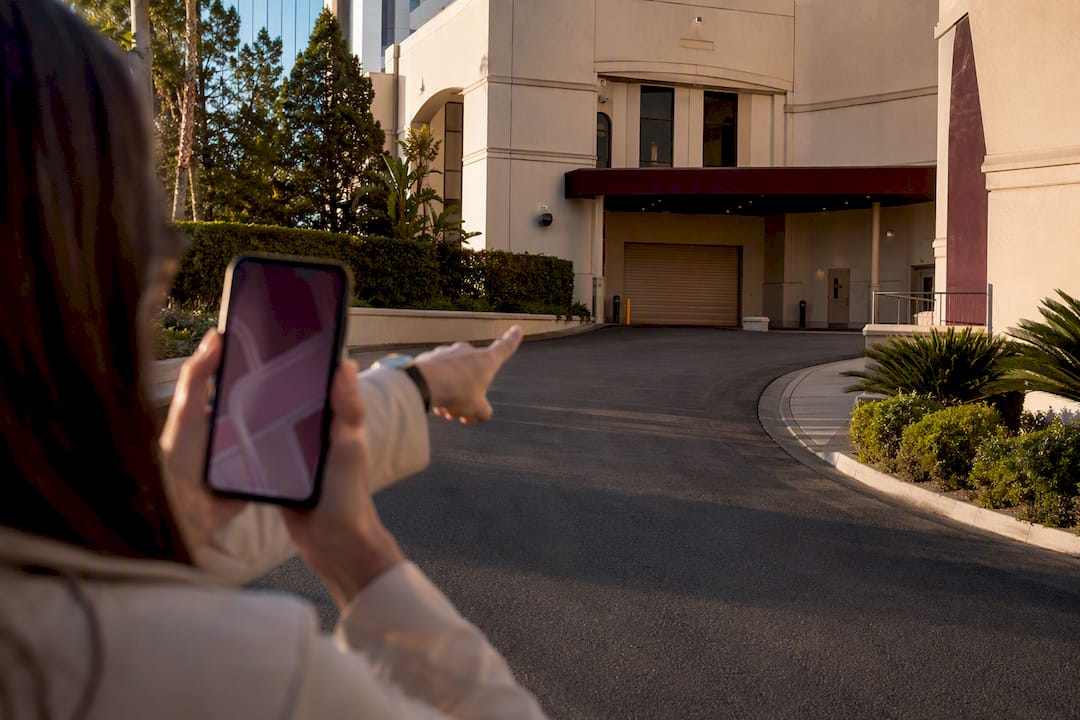
Start with the property map. Venues that host events regularly often hand vendors a diagram showing designated loading zones, approved entrances, and where delivery vehicles should park once unloaded, similar to the setup guidance Crocker Ballroom provides its vendors. Without that map, your bar company is guessing, and guessing near a loading dock during cocktail hour is how timelines fall apart.
Here’s what to request in writing, ideally two to three weeks out:
- The venue’s full vendor policy document, not a summary
- A property map marking loading zones, entrances, and vendor parking
- Certificate of insurance (COI) requirements, including deadline and coverage minimums
- The day-of contact name, phone number, and check-in procedure
- Gate codes, elevator access, or loading dock hours if applicable
Many venues also require timed deliveries and expect vehicles moved immediately after unloading rather than left parked at the dock, a policy pattern that shows up in Progress Park’s wedding rental guidelines. Confirm this early. Your bar vendor’s crew doesn’t want to circle a parking lot twice because nobody asked about turnaround expectations.
Building a Timed Load-In Schedule That Doesn’t Collide
Loading zones become chokepoints when three vendors show up at the same door within the same ten minutes. The fix is a stagger, not a single arrival time for everyone.
The order that tends to work: heavy equipment rentals first (tables, tents, dance floors), then décor crews, then catering, then the mobile bar. Heavy rentals need the most floor space and the least finesse, so getting them in and positioned early clears the path for everyone behind them. Riverview Barn’s coordination guidance backs this sequencing as the fix for the most common load-in bottleneck: everyone arriving at once.
Realistic setup windows by bar type:
- Pop-up bar or cocktail cart: 45 to 60 minutes from truck to ready, assuming ground-level access.
- Standard bar unit with refrigeration: 60 to 90 minutes, plus 15 to 20 minutes if there’s a staircase or a long carry from the parking area.
- Bar trailer: 90 minutes to two hours, since leveling and hookup take longer than a walk-in unit.
Add 20 to 30 minutes to any of these estimates if the venue has stairs, a narrow service hallway, or no direct dock access. Communicate the arrival window as a hard slot, not a general time of day, and ask the venue for directional signage if the loading entrance isn’t obvious from the street.
Pro Tip: Text your bar vendor the exact loading zone GPS pin and a photo of the entrance the week before. A five-second visual beats three sentences of written directions when a driver is circling a parking lot at 3 p.m.
When Should Bartenders and Barbacks Show Up?
Staffing timing follows a different clock than truck arrivals. Your bartenders need to be behind the bar, stations built, and cocktails batched well before the first guest walks in, not scrambling when they do.
For an event in the 100 to 150 guest range, plan for staff to arrive 90 to 120 minutes before doors open, with two bartenders and one barback as a workable minimum, a ratio consistent with the staffing benchmarks event operators use for mid-size gatherings. Larger guest counts or a compressed cocktail-hour rush call for adding a second barback rather than stretching the ratio thin.
Setup staff and service staff aren’t always the same people, and treating them as interchangeable is where timelines slip:
- Setup crew arrives first to build the bar, stock ice, and batch cocktails.
- Service staff arrive closer to doors, once the station is functional.
- Teardown crew can be a smaller subset, staged near the bar during last call so pack-out starts the moment service ends.
Build in a contingency plan before you need one. Know your vendor’s overtime rate and their quick call-in process for a no-show, and confirm who covers a sudden guest-flow surge, like a delayed ceremony that pushes 150 people into cocktail hour at once. Bar service timing affects the entire guest experience far more than most planners expect until it goes wrong.
Power, Water, and Ice: The Utility Checklist Nobody Skips Twice
A bar with no power isn’t a bar. It’s an ice sculpture with bottles on it. Confirming utilities before the event, not on arrival, is what separates a smooth load-in from a frantic one.
Statistic to know: Mobile bar setups running refrigeration or lighting commonly need 15 to 20 amps of dedicated power. Without that circuit available, you need a generator or inverter unit, and it should get tested with the full bar load running before doors open, not discovered dead at cocktail hour.
Run through this list with your venue and vendor:
- Confirm whether the loading zone or bar location has a dedicated circuit, or whether a generator is required.
- Ask whether the venue allows generators outdoors and where they can be positioned without disturbing guests.
- Check water access: some setups need a plumbed sink nearby, others run fine on a portable handwashing station, but you need to know which before the truck arrives.
- Ice quantity should be planned appropriately based on guest count and event conditions, with adjustments for factors like warm outdoor weather.
- Confirm dollies, hand trucks, or step ladders are coming with the vendor. Venues frequently exclude these from what they provide, a gap explicitly called out in vendor instruction documents like Monteverde’s.
Stairs or uneven terrain add real time to every one of these steps, so factor that into your setup window rather than treating it as a surprise.
Where Gear Gets Staged and How Storage Actually Works
Every bar setup needs a buffer zone: a spot near, but not inside, the guest space where crates, spare ice, and backup glassware sit until they’re needed. Without one, your load-in spills into the aisle guests will walk down in twenty minutes.
Ask the venue where that staging area can live. It doesn’t need to be large, but it needs to be out of sightlines and away from guest flow. Most venues offer very limited built-in storage, so plan on your bar vendor bringing what they need for the event and pulling packaging waste out with them at teardown rather than leaving it for venue staff.
- Confirm a staging spot with the venue before event day, not during setup.
- Expect your bar vendor to bring their own coolers, extra ice bins, and backup stock rather than relying on venue storage.
- Coordinate packing material disposal and rental pick-up timing directly with the rental company, since venues rarely handle this.
- Check alcohol quantity estimates for your guest count before finalizing how much staging space you’ll actually need.
The Day-Of Checklist You Can Copy Into Any Vendor Email
A written, timed load-in window shared with every vendor and the venue prevents most day-of disputes before they start. Put it in the contract, put it in the run sheet, and send it to everyone a week ahead.
Here’s the sequence worth pasting into your vendor coordination email:
- Confirm each vendor’s arrival slot in writing, staggered by category (rentals, décor, catering, bar).
- Vendors stage gear in the designated buffer zone immediately on arrival.
- Run a five-minute staff brief covering queue flow, drink options, ice resupply location, and the day-of point of contact.
- Check ice and refrigeration function before doors open, not after the first drink order.
- Confirm service handoff time and last call time with the client or planner.
- Begin pack-out the moment service ends, with vendor vehicles ready for prompt loading.
A simpler menu also speeds up every stage of this sequence. Batching signature cocktails ahead of time cuts service time dramatically compared to a full a la carte bar built on the fly.
| Load-in stage | Target timing | Who owns it |
|---|---|---|
| Heavy rental delivery | First arrival slot | Rental vendor |
| Bar unit arrival and staging | 90 to 120 min before doors | Bar vendor crew |
| Staff brief and ice check | 30 to 45 min before doors | Bartender/lead |
| Service handoff | At doors open | Point of contact |
| Pack-out start | Immediately after last call | Bar vendor crew |
Assign one day-of point person for vendor questions and have everyone’s cell number in a shared text thread before the event starts. It’s the cheapest insurance you’ll buy all day.
What Liquid Courage Sees Go Wrong (and How We Fix It)
Most load-in problems aren’t equipment failures. They’re timing failures, and they’re predictable. Liquid Courage typically requests arrival windows of 90 minutes for a standard bar cart and up to two hours for trailer units with leveling and hookup involved.
Three fixes we reach for most often: a quiet inverter generator when a venue’s power circuit can’t handle refrigeration, a designated temporary staging spot when the venue’s buffer zone turns out smaller than promised, and a rapid ice resupply run when a guest count runs hot during cocktail hour. None of these are emergencies once you’ve planned for them. They’re just Tuesday.
The pattern we see most in venues that give clear, written load-in instructions upfront: fewer surprises, faster setup, happier bartenders behind the bar.
— Brennon
Let Liquid Courage Handle Your Load-In From Start to Finish
Instead of coordinating arrival windows, power specs, and staging space across three different vendors yourself, Liquid Courage builds that logistics plan into every booking. That’s the real difference between hiring a bar and hiring a bar company that also owns the load-in.
Every package includes staffing at the ratios your guest count actually needs, the bar unit itself, generator options when a venue lacks dedicated power, COI submission handled on your behalf, and full logistics coordination with your venue’s day-of contact. If your event also needs a bit more polish, our Service Plus add-on covers extras many planners don’t think to ask about until it’s too late.
The fastest way to get an accurate plan: request a site visit or send us your venue’s vendor rules and map when you reach out for a quote. We’ll build the timed schedule around what your venue actually allows, not a generic template. Ready to lock in your date? Check availability and get a quote for your Las Vegas or Henderson event.
Sources
- Progress Park wedding event rental guidelines
- Crocker Ballroom vendor setup guide
- Riverview Barn insider tips for coordinating vendors
- Complete guide to hiring a mobile bar in Berkley
- How to book a mobile bar catering service