
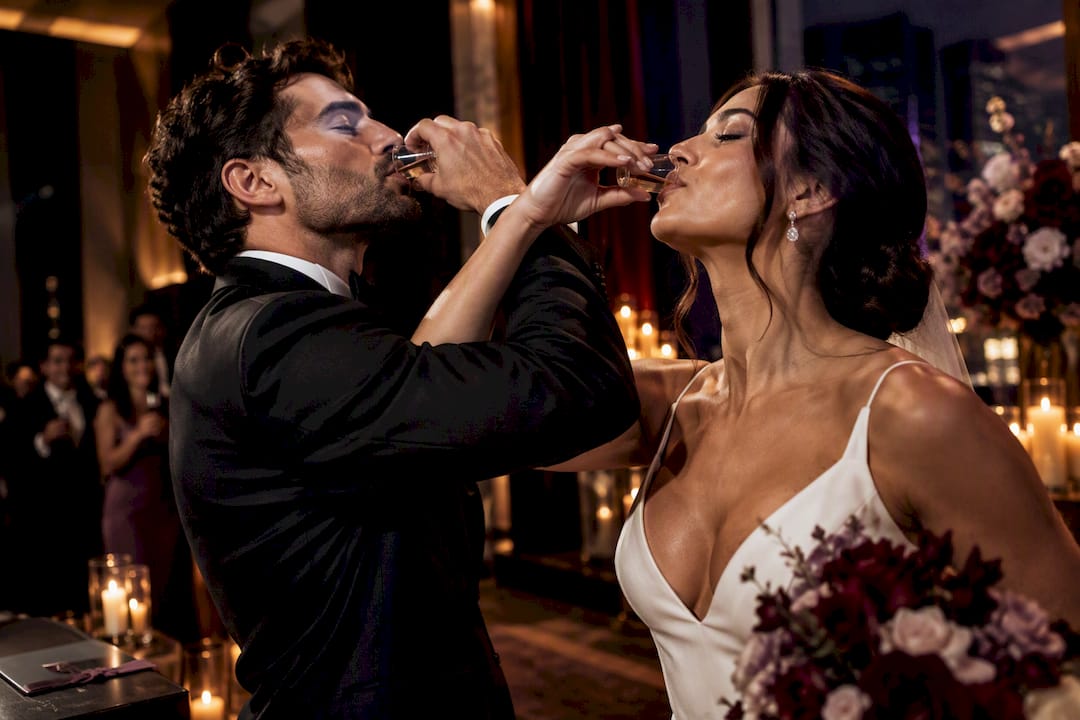
Wedding drinking customs range from codified ceremonial pours that seal a marriage in front of witnesses to complete abstention rooted in religious law, and no single bar setup fits every couple. Three things matter more than anything else: identify which cultural or religious practices the couple actually wants honored, pick a bar model (open, cash, hybrid) that fits the guest list and budget, and tell guests and vendors the plan before the event, not during it.
TL;DR:
- Most wedding rituals involve small, symbolic pours that convey consent, hierarchy, or unity, rather than alcohol consumption per se.
- Ceremonial drinks often require specific vessels and timing, with rituals like shared cups or libations typically scripted into the event schedule.
- Recognizing the cultural or religious purpose behind each ritual determines whether staff should serve, stand back, or time pours precisely.
- Nonalcoholic options, such as sparkling cider or ceremonial water, can honor traditions without alcohol and should be coordinated well in advance.
- Clear communication and detailed planning of ritual timing, beverage choices, and personnel assignments prevent mishandling and uphold cultural respect.
Table of Contents
- What Cultural Wedding Bar Customs Look Like Around the World
- The Four Types of Drink Rituals You’ll Encounter at Weddings
- Religious Restrictions and Respectful Nonalcoholic Alternatives
- Open Bar, Cash Bar, or Hybrid: What Guests Actually Expect
- How to Plan Bar Service Around Ceremonial Timing
- Signature Drinks and Menu Ideas That Honor Tradition
- A Real-World Look at Mixed-Tradition Wedding Bar Service
- What I’ve Learned About Balancing Tradition and Service
- Book Bar Service That Actually Knows What a Ceremonial Pour Is
- Sources
- FAQ
What Cultural Wedding Bar Customs Look Like Around the World
Drinking rituals at weddings rarely exist for their own sake. Each one carries a specific social function, usually tied to consent, family approval, or spiritual blessing, and the vessel, the sequence, and who drinks first all mean something.
Africa. Among the Igbo people of Nigeria, the bride carries a cup of palm wine through the gathered guests and offers it to the man she has chosen. His acceptance and drinking of that cup, in full view of the community, is what validates the union rather than a private vow exchanged elsewhere. It is public consent made visible through a shared drink. Other West African traditions incorporate kola nut and palm wine offerings to elders as a separate gesture of respect, distinct from the marital pour itself, which is worth knowing if you’re staffing an event where both happen back to back.
Asia. Chinese weddings often feature jiaobeijiu, the cross-cupped wine ritual, where the bride and groom link arms and drink from each other’s cups at the same time. The custom traces back to early dynastic wedding rites and has been simplified over centuries into the version seen today, but the symbolism of interlinked cups representing two lives joining hasn’t changed. In Japan, the Shinto ceremony called san san kudo involves the bride and groom, and sometimes their parents, taking three sips each from three stacked cups of sake, a sequence tied to documented Shinto ritual practice around sake as a sacred beverage. Neither ritual is about quantity. Each pour is small, often just enough to wet the lips, which surprises planners who assume “ceremonial drinking” means a real drink.
Europe. Toast customs vary sharply even within a single continent. In Italy and Greece, hospitality runs toward abundance: a wedding without a generously stocked bar can read as an insult to guests, and multiple toasts throughout the night are expected and repeated. In parts of the United Kingdom, cash bars are far more accepted as a practical norm than in the United States, particularly in Scotland and Northern Ireland, where a paid bar after the meal is standard practice rather than a breach of etiquette. England and Wales sit closer to American sensibilities, where a cash bar can draw grumbling if it isn’t disclosed ahead of time.
Americas and Oceania. Latin American weddings frequently braid Catholic ceremonial elements with regional customs, such as sharing pulque or aguardiente among family elders as a gesture of unity between two households, not just two individuals. Indigenous communities across North America maintain their own protocols around ceremonial drink offerings, which vary tribe to tribe and are not interchangeable with generic “Native American tradition.” In the United States, immigrant families frequently import these customs directly into otherwise Western-style receptions, which is exactly the situation where a bartending team needs a clear briefing rather than improvisation.
A few patterns repeat across unrelated cultures:
- Small, symbolic pours matter more than the alcohol content of the drink itself.
- Public acceptance of a cup or shared sip often signals consent or blessing, not celebration.
- Elders are frequently served or honored before the couple drinks, reversing the usual reception order.
- Regional variation exists inside every culture. Assuming one Chinese, Nigerian, or Mexican family follows the same script as another is a common and avoidable mistake.
The Four Types of Drink Rituals You’ll Encounter at Weddings
Once you strip away the specifics of any one culture, wedding drinking customs sort into four functional categories. Recognizing which category a ritual belongs to tell you how to plan around it.
- Shared-cup rites. Two people drink from the same vessel, or from linked cups, to symbolize a union now formalized. Jiaobeijiu and san san kudo both fall here, and so do plenty of Western “unity” cocktail ceremonies borrowed from these older traditions. The core symbolism survives even when the exact historical vessel doesn’t: a modern couple using wine glasses instead of antique porcelain cups hasn’t broken the ritual.
- Libations and offerings. These honor ancestors or invoke spiritual blessing, and critically, they are not meant for guest consumption. A small pour on the ground, an offering placed at an altar, or a cup presented to elders without being drunk by the crowd all belong here. Bar staff sometimes mistake these for service moments and try to “help,” which is the wrong instinct. Step back and let the family run it.
- Toast sequences. Structured rounds of speeches paired with drink, often ordered by family hierarchy: parents first, then wedding party, then open floor. The sequence itself communicates respect, so scrambling the order (serving the crowd before the family’s toast finishes) reads as a service failure even if the drinks arrive fast.
- Participatory and communal drinking. Everyone drinks together, often from a shared source like a punch bowl or a passed bottle. This is the category with the biggest service footprint because it moves a crowd through a bar line all at once rather than in a steady trickle.
Anthropological research on marriage customs frames these variations as consistent across ethnicity and region: ritual drinking almost always encodes a social message, whether that’s consent, hierarchy, or unity. Once you know which message a given ritual is sending, you know whether your bar staff should be actively serving, standing back, or timing pours to a script.
Religious Restrictions and Respectful Nonalcoholic Alternatives
Not every culture drinks at all, and assuming otherwise is the fastest way to embarrass a couple in front of their own families. Islamic, many Evangelical Christian, Latter-day Saint, and some Buddhist and Hindu traditions restrict or fully omit alcohol from weddings, and the right move is never to guess. Ask directly, early, and specifically: “Will alcohol be part of any ceremony moments, or should the entire event stay dry?” Families appreciate the question far more than they appreciate a planner who assumed.
Nonalcoholic substitutes can carry real ceremonial weight when they’re chosen thoughtfully instead of treated as a downgrade:
- Sparkling cider or nonalcoholic sparkling wine for toast sequences, poured into the same glassware used for the alcoholic version elsewhere in the room.
- Tea or ceremonial water for shared-cup rites, especially where the symbolism is the shared vessel, not the beverage itself.
- Nonalcoholic sparkling sake for Japanese-inspired ceremonies where sake is traditional but the couple or families prefer to abstain.
- Fruit-forward mocktails presented with the same garnish and glassware standard as the bar’s cocktail menu, so the dry option never looks like an afterthought.
For events that need to separate the two groups entirely, a designated dry space near the reception, staffed with the same care as the main bar, works better than scattering a few soda bottles on a side table. Some couples choose an all-nonalcoholic ceremony with alcohol reserved (or entirely absent) at the reception; others reverse it. Both are legitimate, and the planning conversation should happen months out, not the week of.
Pro Tip: When a family requests a dry ceremony but a wet reception, brief your bar team on the exact transition moment. Nothing signals a poorly planned event faster than champagne appearing before the last religious guest has left the room.
Open Bar, Cash Bar, or Hybrid: What Guests Actually Expect
An open bar means the couple covers every drink, no exceptions, and it remains the default expectation in most American wedding planning guidance. A cash bar shifts the cost to guests, drink by drink. A hybrid or consumption model splits the difference: the couple might cover beer, wine, and a signature cocktail, while guests pay for premium liquor, or the couple covers the first hour and guests take over after.
Acceptance of each model depends heavily on where you are and who’s in the room. Younger, more casual guest lists tend to shrug off a cash or hybrid bar without complaint, while older or more formal crowds often read it as a breach of hosting etiquette. Geography compounds this. In Scotland and Northern Ireland, a cash bar after the meal is unremarkable, while the same setup in England, Wales, or most of the United States needs a heads-up to land well.
Three items should appear regardless of which model you choose, because skipping them reads as cutting corners no matter the budget:
- A welcome drink for guests arriving from the ceremony, even if the rest of the night runs cash bar.
- Water service at every table, refilled without guests having to ask.
- A toast drink placed in every hand before speeches start, whether that’s champagne, sparkling cider, or both side by side.
Communication is where most bar-model complaints actually originate. It’s rarely the cash bar itself that irritates guests. It’s finding out about it mid-reception. Mentioning the bar policy on the wedding website, in a welcome note at the venue, or through the day-of program gives guests time to bring cash or plan around it, and disclosing it in advance measurably reduces negative reactions. For a deeper breakdown of when each model makes sense, see this comparison of open bar versus cash bar options.
How to Plan Bar Service Around Ceremonial Timing
Getting the ritual right on paper means nothing if the bar team fumbles the timing on the day. A few rules of thumb make the difference between a smooth pour and an awkward pause in front of two hundred people.
- Place ritual pours on the run sheet, not in the margins. A shared-cup rite or libation belongs in the ceremony or recessional block, scripted by minute, with the photographer and MC both aware of the cue. Reception toasts get their own slot, usually right after the meal service begins, before the crowd disperses to the dance floor.
- Estimate quantities separately for ceremony and reception. Ceremonial pours use small volumes, often just an ounce or two per cup, so don’t order a full case expecting heavy usage. Reception service needs its own buffer, typically planned with 10 to 15% extra product to cover unexpected demand without running dry mid-toast.
- Staff to the ritual, not just the guest count. A widely used bartending guideline calls for one bartender per 30 to 50 guests for standard reception service. A wedding with a scripted ceremonial pour needs an additional named staffer assigned specifically to that moment, someone who isn’t also trying to run the main bar during the ritual window.
- Plan last call as a sequence, not a switch. If the event transitions from open bar to guest-paid service later in the night, announce it before it happens, ideally through the MC, and give the bar team a clear cutoff time rather than letting it happen ad hoc.
Pro Tip: Assign one bartender by name to manage the ceremonial pour and brief them separately from the rest of the team. A dedicated staffer prevents the two most common ritual mistakes: over-serving guests who weren’t meant to drink, and interrupting the moment to restock.
The most common planning failure isn’t a shortage of alcohol or an untrained bartender. It’s a couple who never told their vendors about the ritual at all, leaving the bar team to guess in real time. For more on why sequencing matters this much, see why bar service timing matters at a wedding, and for the mechanics of closing out service cleanly, review how to manage last call.
Signature Drinks and Menu Ideas That Honor Tradition
A menu can nod to a couple’s heritage without turning into a theme-park version of it. The line between homage and caricature usually comes down to two things: scale and language.
Serve traditional beverages in small, ceremonial portions rather than mixing them into a full reception cocktail. A palm wine toast works as a scripted pour in dedicated small cups, not as a mixer stretched across two hundred guests. When the original ingredient isn’t available, whether for import, legal, or practical reasons, a close substitute served in the same style of vessel preserves the gesture without pretending to be something it’s not; a grape-based wine poured into the same cup style used for a palm wine ceremony keeps the visual and symbolic continuity intact even when the contents changed.
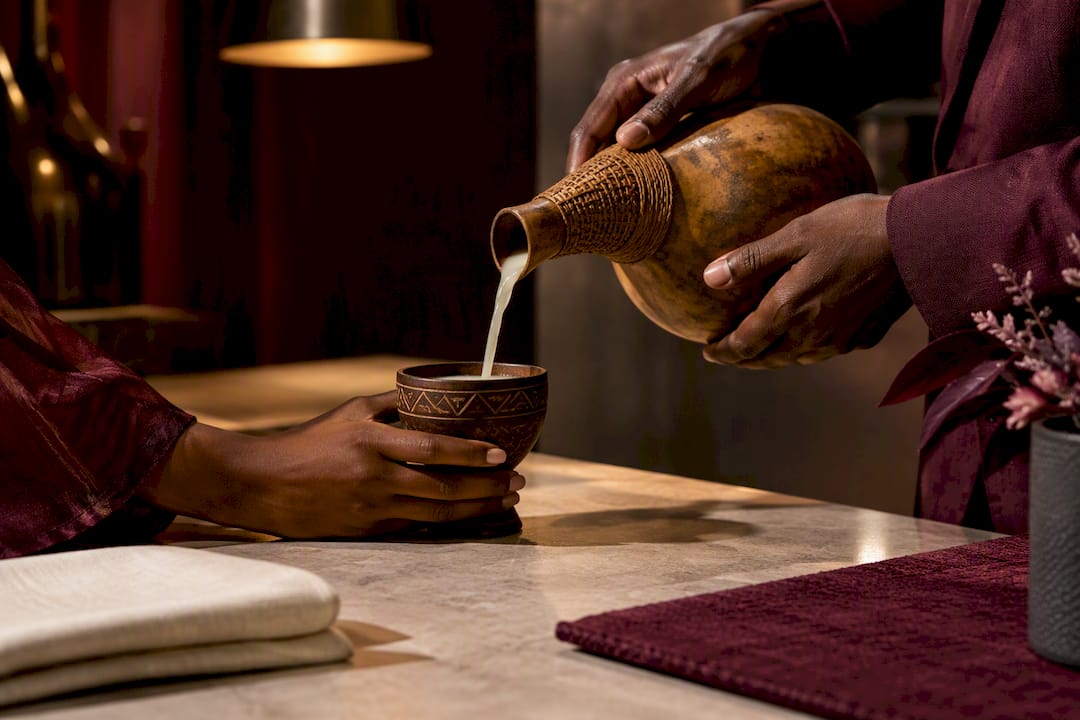
Menu language matters more than most planners realize. Describe a dish or drink by its actual name and origin rather than a vague, exoticized label, and note ingredients clearly for guests managing allergies or dietary restrictions. “Jiaobeijiu-style toast, served in linked glasses” tells guests exactly what they’re witnessing and respects where it came from. A vague “Asian-inspired toast ritual” does neither. Pairing the drink program with a thoughtfully built wine and beer selection for the rest of the reception, plus a broader look at event menu pairing strategy, rounds out a bar program that feels intentional from the ceremony straight through to last call.
A Real-World Look at Mixed-Tradition Wedding Bar Service
A 150-guest wedding blending Chinese and American traditions offers a useful template. The run sheet placed the jiaobeijiu toast immediately after the processional, before guests moved to cocktail hour, with a single staffer assigned to hand the couple their linked cups and step back. Cocktail hour opened five minutes later with the full bar team live, avoiding any awkward gap where guests stood around with nothing in hand.
Staffing for that event used two bartenders for the 150-person reception, plus the one dedicated staffer for the ceremonial pour, who then folded back into general service once the ritual concluded. Quantities were split: a small case of the specific rice wine used for the ceremony, ordered separately from the reception’s general beer and wine stock, which ran with a standard buffer built in.
A beverage-catering contract for an event like this should specify a short list of items up front:
- The exact ceremonial beverage requested, including brand or substitute if the original isn’t sourceable.
- The scheduled time and location of any ritual pour, cross-referenced with the ceremony run sheet.
- A named staff assignment for ritual service, separate from general bar duty.
- Dry or reduced-alcohol zones, if requested, with clear boundaries.
| Planning element | Standard reception | Mixed-tradition addition |
|---|---|---|
| Staffing | 1 bartender per 30 to 50 guests | Plus 1 named staffer for ritual pour |
| Quantity | Reception stock with 10 to 15% buffer | Separate small stock for ceremonial beverage |
| Timeline placement | Cocktail hour through reception | Ritual scripted into ceremony or recessional |
| Contract notes | Standard liquor liability terms | Specific ceremonial item and vessel noted |
A contract checklist built around these details protects both the couple’s cultural intent and the vendor’s ability to execute it without guesswork. Liquid Courage covers the fuller version of this in its wedding beverage catering resource.
What I’ve Learned About Balancing Tradition and Service
The biggest mistake I see isn’t disrespect. It’s silence. Couples assume their bartender will “figure it out,” and families assume the couple has already briefed the vendor, and nobody actually says the ritual out loud until it’s happening in real time. Ask family elders directly what they expect, write it down, and hand it to whoever’s pouring.
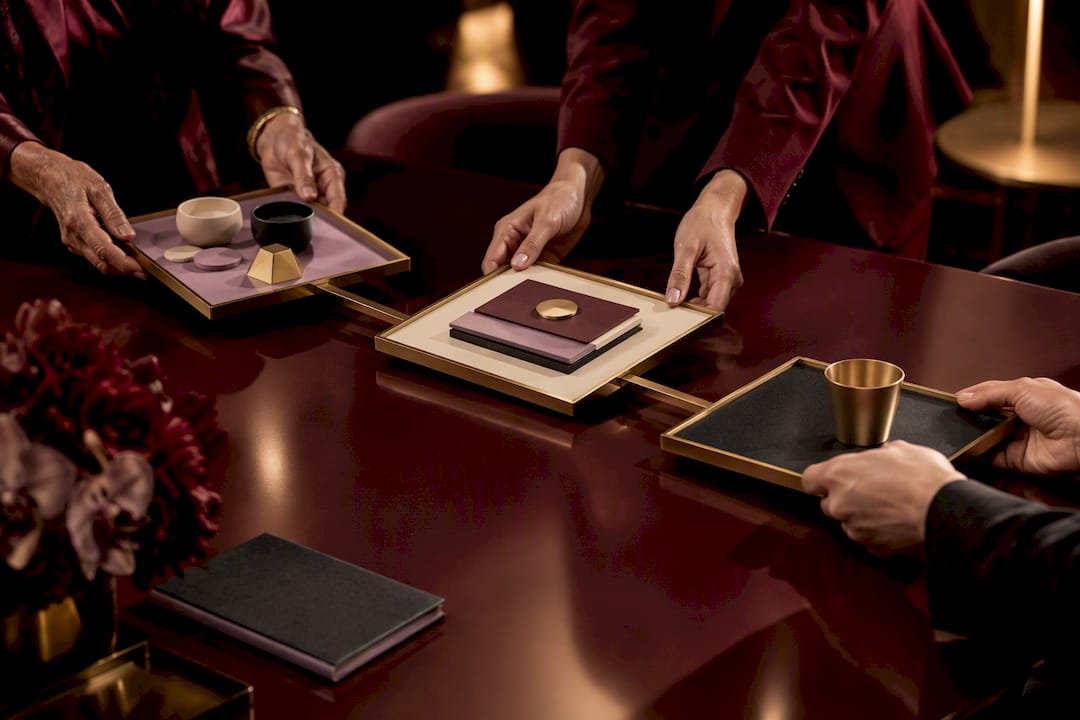
The second mistake is vessel choice. Serving a shared-cup ritual in mismatched barware, or skipping the ceremonial cups entirely because “a wine glass works fine,” strips the visual meaning out of a moment that’s supposed to be seen. It takes five minutes to source the right cups. Do it.
Bring an experienced bartender into the conversation early, before the menu is finalized, not the week of the wedding. The earlier a staffer understands the ritual, the better they schedule around it.
— Brennon
Book Bar Service That Actually Knows What a Ceremonial Pour Is
Some bartending companies specialize in reading run sheets that include ritual pours and executing them smoothly during receptions. Such companies may build menus around requested ceremonial beverages, schedule dedicated staff for shared-cup moments, and include ritual timing directly into service contracts to avoid guesswork on the day.

Our wedding bartending services cover mobile bartending, full liquor catering, and customizable bar rental packages that can be branded to match the reception, plus staffing-only options through dry hire if you’ve already got the alcohol sourced. If your event has a ceremonial pour, a dry-space request, or a mixed-tradition guest list, tell us before the tasting. Request a consultation and we’ll build the run sheet, staffing plan, and beverage list around what your families actually need.
Sources
For deeper reading beyond what’s covered here, the USC Folklore Archive documents the Igbo wine-carrying ceremony in full ethnographic detail, and china.org.cn traces the jiaobeijiu ritual’s dynastic origins. OpenStax’s anthropology text on marriage customs offers broader cross-cultural framing, and researchers wanting country-specific rituals can search academic literature through JSTOR.
- Igbo wedding wine-carrying ceremony | USC Folklore
- China
- Cash bar at a UK wedding: Rude or realistic? — Weddings Hub
FAQ
What Is the 50/20/30 Rule for Wedding Bars?
There’s no universally recognized budgeting rule specific to wedding bar planning. If you’ve seen any such split referenced, it likely refers to general budgeting rather than a bar-service standard, so treat any specific breakdown with caution and build your bar budget around your actual guest count and drink preferences instead.
What Counts as a Traditional Wedding Drinking Custom?
Traditional customs generally fall into four types: shared-cup rites like Chinese jiaobeijiu, libations offered to ancestors, structured toast sequences, and communal drinking shared across the guest list. Each carries its own symbolism, from validating a union to honoring family hierarchy, and the right category shapes how bar staff should handle it.
Were Wedding Night Consummations Historically Witnessed?
Yes, in some historical European and other traditions, witnesses or family members did confirm consummation as part of validating a marriage, though this practice has largely disappeared from modern weddings. It isn’t connected to bar customs directly, but it reflects the same broader pattern of public rituals once used to formalize a marriage in front of a community.
What Do Amish Brides Do on Their Wedding Night?
Amish wedding customs emphasize modesty and community celebration rather than public rituals around the wedding night itself, and alcohol is generally absent from Amish wedding celebrations given the community’s religious restrictions. Couples typically return to daily life and farm responsibilities quickly, with the wedding day celebration itself, not the night after, serving as the community’s focal point.
How Do I Politely Tell Guests About a Cash or Hybrid Bar?
State it clearly on the wedding website or in a note at the venue rather than letting guests discover it at the bar. Disclosing the policy in advance reduces negative reactions significantly compared to surprising guests mid-reception.
Does Liquid Courage Accommodate Cultural or Religious Bar Requests?
Yes, Liquid Courage builds ceremonial timing, custom menus, and dry-space options directly into wedding bar service contracts for Las Vegas and Henderson events. Current pricing and package details are available directly through the wedding events page.