
If you need an after-party location tonight, the fastest options are a public bar with a reserved area or a backroom buyout, both of which you can often secure with a phone call. If you want more control and fewer surprises, hire a licensed mobile bartending service or reserve a private space in advance. Either way, call ahead and confirm last-call and time restrictions before you move the crowd.
TL;DR:
- Groups of 10 to 30 can often use a reserved section or small backroom; larger parties should ask about a partial buyout or private rental.
- A minimum spend commits you to a set food and drink total for exclusive section use; a full buyout closes the venue to outside guests.
- For groups over 30, book two to three weeks ahead; for same day or next day plans, call venues directly instead of emailing.
- Impairment can begin around a 0.02% blood alcohol concentration, so hosts should use measured pours, provide water and food, and staff trained servers.
- In Las Vegas and Henderson, mobile bartending on private property may require a temporary liquor license and liability insurance; verify permits with the provider beforehand.
Table of Contents
- Where to find after-party bars and which venue types suit different crowds
- How to secure entry or space: reservations, minimum spends, and buyouts
- Planning bar service and safety: responsible-service basics every host should require
- Practical checklist to use when contacting a bar, venue, or mobile bartending service
- Licensing and permit considerations specific to after-party bars in Las Vegas and Henderson
- Customization options for mobile bartending services at after parties
- Author perspective: common organizer mistakes and quick fixes
- Liquid Courage: hire a mobile bartending partner for a reliable after-party
- FAQ
- Sources
Where to find after-party bars and which venue types suit different crowds
The right venue depends on your headcount and how much control you want over the night. Public bars with reserved sections work for groups that want to blend into an existing scene, while hotel bars and lounges tend to have later licenses and are used to last-minute large parties. Clubs with extended hours fit crowds that want music and dancing to continue past midnight, and private-room rentals or restaurant backrooms give you a closed space without the noise of a public floor.
Group size usually dictates the fit. A party of 10 to 30 people can often slide into a reserved area or small backroom without much negotiation, while a larger group usually means asking about a partial buyout or a dedicated private rental so you are not competing with regular foot traffic.
To find options, check a few channels at once:
- Local event listing sites and nightlife calendars for venues that already host late-night crowds.
- Venue directories and review platforms filtered by “private room” or “late night.”
- Social media event pages, since many bars post last-call specials or available backroom dates.
- Direct outreach to venues you already like, since many will hold informal space even without a public listing.
If arranging a venue on short notice feels unpredictable, a private party on rented or residential property paired with a licensed mobile bartending service removes most of that guesswork.
How to secure entry or space: reservations, minimum spends, and buyouts
Venues typically offer three ways to hold space, and knowing the difference before you call saves time. A reserved area sets aside tables or a section without requiring a formal spend commitment. A minimum spend guarantees the venue a set dollar amount in food and drink in exchange for exclusive use of a section. A full buyout closes the entire venue or room to outside guests, which usually carries the highest cost and the most flexibility over music, timing, and layout.
Planners recommend locking in a reservation or at least a held area well before the night, since arriving with a large group without a reservation often means getting turned away at the door. When you call a venue, ask:
- What are your hours, and what time is last call?
- Is there a minimum spend, and what counts toward it?
- Do you require a security deposit or security staff for private groups?
- Are there after-hours or strike fees not included in the quoted minimum?
- What’s the maximum capacity for the space you’re offering?
- Is food available late, or can we bring in catering?
- Do you require proof of insurance or a permit for private events?
- Who is our point of contact the night of the event?
Book two to three weeks ahead for anything over 30 guests. For same-day or next-day needs, call directly rather than emailing, since most venues confirm last-minute holds by phone.
Planning bar service and safety: responsible-service basics every host should require
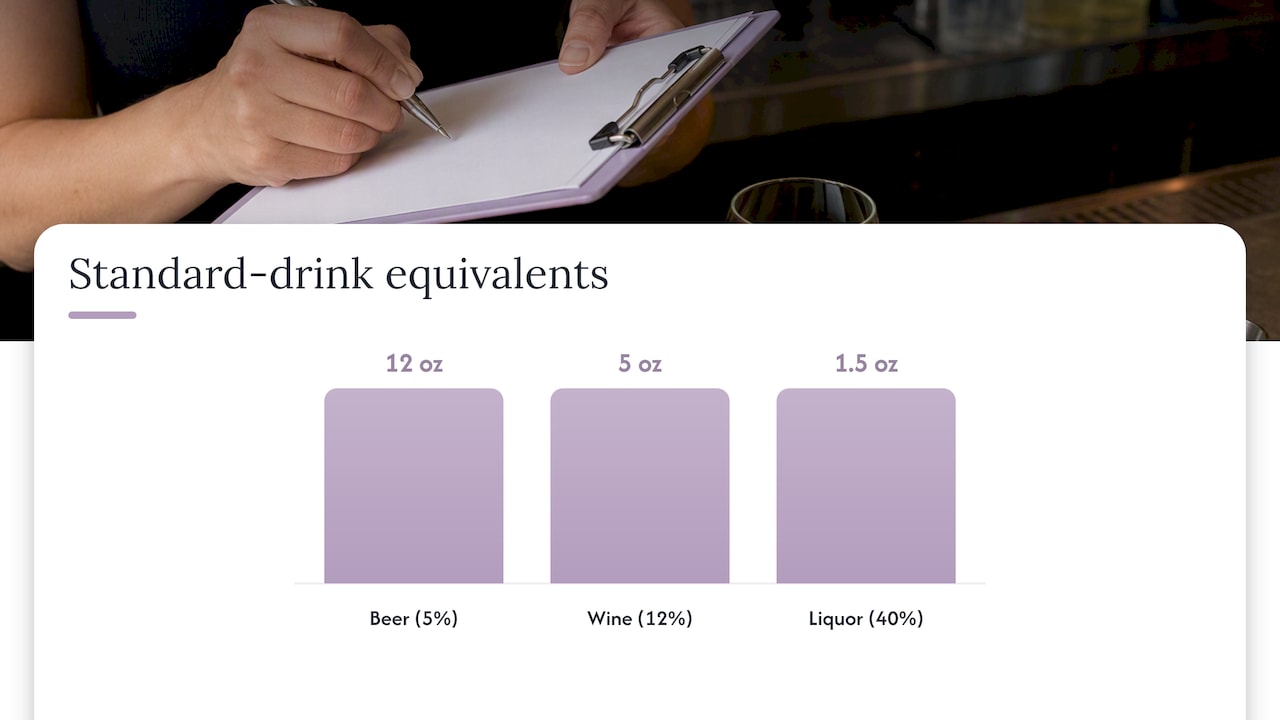
Counting “drinks” at an after-party is a poor way to judge how intoxicated your guests are becoming, because a cocktail or craft beer often contains more alcohol than people assume. The NIAAA defines a standard drink as 12 ounces of 5% beer, 5 ounces of 12% wine, or 1.5 ounces of 40% liquor, each containing roughly the same amount of pure alcohol.
Impairment can begin at a blood alcohol concentration around 0.02%, well below the legal driving limit in most states, which means guests can be affected long before anyone assumes they are too drunk to drive, according to NIAAA guidance.
A few practices reduce overservice risk and keep the night running smoothly; for practical, evidence-informed pre-drink steps and hydration tips, see how to prevent a hangover before drinking.
- Measure pours instead of free-pouring to keep drinks consistent.
- Offer water stations and late-night food to slow consumption.
- Stagger service during peak hours instead of opening the bar at full speed.
- Use servers trained to recognize and intervene with intoxicated guests.
- Keep a security or door presence for crowd flow in tighter spaces.
Pro Tip: Ask any venue or bartending service for proof of server training and liability insurance before the event, not after something goes wrong.
Server training programs matter because many states hold servers and venues liable under Dram Shop laws when they continue serving someone who is visibly intoxicated. Training programs reviewed by the Department of Transportation focus on recognizing intoxication, avoiding service to minors, and knowing when to cut someone off. Confirming that your venue or bartender carries this training, along with current insurance, is one of the simplest ways to protect your event and your guests.
Practical checklist to use when contacting a bar, venue, or mobile bartending service
A short checklist keeps your calls and emails focused and helps venues give you a real answer fast instead of a vague “let us check.”
Before you reach out, have these ready:
- Date and time, including when you expect the after-party to start.
- Headcount range, even if it’s an estimate.
- Indoor, outdoor, or both.
- Whether you’re asking about a reserved area, minimum spend, or full buyout.
- A rough food plan or whether the venue provides late-night options.
- The venue’s last-call time and how that affects your schedule.
- Security needs based on group size and venue layout.
- Permit or insurance requirements for private use.
- A single point of contact for day-of coordination.
When you call or email, keep it direct: state your date, headcount, and what kind of space you’re looking for, then ask the eight questions from the booking section above. If a venue can’t accommodate you or last call forces an earlier end than planned, have a backup location or a private venue option ready so the night doesn’t stall.
For events in Las Vegas or Henderson, several of these items (bar setup, licensed service, and late-night menu planning) can be handled directly through mobile bartending and liquor catering rather than negotiating each point with a venue.
Licensing and permit considerations specific to after-party bars in Las Vegas and Henderson
Running an after-party on private or rented property in Las Vegas or Henderson usually means the alcohol service itself needs to be licensed, even if the location does not require its own liquor license. Mobile bartending on private property often requires a temporary liquor license and proof of liability insurance, and confirming this before the event matters more than most hosts expect.
Las Vegas and Henderson each enforce their own municipal codes around alcohol service, and a bartending provider working across both cities needs to track compliance separately for each. A provider that operates with a standing business license and established permit process can move faster than one arranging a one-off permit for a single event.
If you’re renting a backroom or booking a buyout at an existing bar, the venue’s existing liquor license usually covers service, but you should still confirm this in writing rather than assume it. If you’re hosting on residential or rented event property instead, ask any mobile bartending service directly whether they carry their own license and insurance, since serving without it puts both the host and the provider at legal risk.
Customization options for mobile bartending services at after parties
One advantage of hiring a mobile bartender instead of booking an existing venue is control over the menu itself. Instead of working within a bar’s standard pour list, you can build a late-night menu around a theme, whether that’s a classic cocktail lineup for a wedding after-party or a bolder, playful menu for a milestone birthday or corporate celebration.
Common customization options include:
- Signature cocktails built around a couple’s or honoree’s preferences.
- Themed menus tied to the event, such as a Rat Pack lineup for a Las Vegas-style night.
- Branded bar setups with custom signage or color schemes.
- Non-alcoholic and low-proof options for guests who want to pace themselves.
- Late-night food pairings coordinated with the bar menu.
Couples planning a wedding after-party often use this flexibility to extend their reception’s drink theme into the later hours instead of starting over with a generic bar menu. Corporate hosts tend to lean toward a tighter, simpler list so service stays fast once the crowd grows.
Author perspective: common organizer mistakes and quick fixes
The organizers I talk to run into the same three problems: booking too late, misreading what “minimum spend” actually covers, and getting blindsided by last call. Most of this is avoidable with a single phone call two weeks out instead of two days out. Our internal guides on last-call timing and bar planning for networking events exist because these mistakes repeat across almost every event type we see.
— Brennon
Liquid Courage: hire a mobile bartending partner for a reliable after-party
Skipping the venue negotiation entirely is often the simplest path, and that’s where a direct bartending partner for Las Vegas and Henderson events comes in. We handle mobile bartending, liquor catering, bar rental packages, private bartender services, and turnkey staffing for both private parties and corporate after-parties.
We plan around last-call timing instead of leaving you to figure it out mid-event, and we offer packaged options so you’re not assembling a bar setup from scratch. What that looks like in practice:
- Branded bar rentals through our customized bar packages.
- Staffing and menu packages through our event packages.
- Dedicated support for corporate events and wedding events.
If you’d rather lock in a bartender than keep calling venues, reach out through our private events page for availability and a quote.
FAQ
What do you do at an afterparty?
An after-party typically continues the socializing from an earlier event with drinks, music, and often a late-night food menu in a smaller, more relaxed setting. Guests usually stay for an hour or more past the main event, and the format can range from a casual bar gathering to a fully hosted private party.
What is an after-hours nightclub?
An after-hours nightclub operates past standard bar closing times, often into the early morning, and may serve a different menu or require advance arrangement for large groups. Hours and last-call policies vary by venue and location, so confirming them directly before you arrive is the only reliable way to plan around them.
Who typically pays for a wedding after-party?
There’s no fixed rule. Wedding after-parties can be paid for by the hosts, covered by the couple, or run as a pay-as-you-go bar where guests buy their own drinks. The choice usually comes down to budget and whether the couple wants to extend hosted drinks past the main reception.
What should I check before booking a private after-party space?
Before booking, confirm the venue’s last-call time, whether you’re being offered a reserved area, minimum spend, or full buyout, and whether any after-hours or strike fees apply. It also helps to ask whether the venue or your bartending provider carries current liability insurance and server training.
Sources
- The basics: Defining how much alcohol is too much | NIAAA
- Development and field test of a responsible alcohol service program (server education) | DOT/ROSAP
- A guide to wedding after-party planning and etiquette | Vogue
- Wedding after-party etiquette | The Knot