
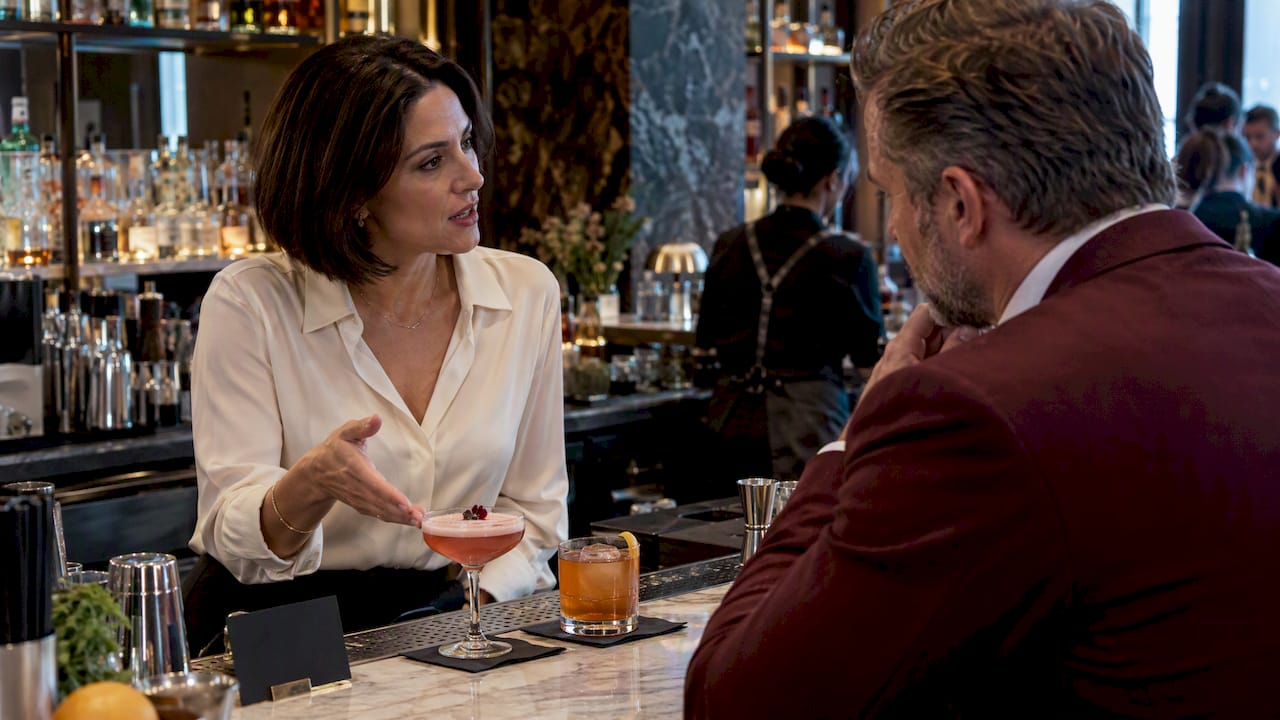
The highest-impact cocktail sponsorships in Las Vegas share one trait: they turn a logo into an experience. A signature branded cocktail, a mixologist pop-up or residency, and a branded beverage station with built-in social activation consistently outperform passive signage because guests remember what they taste and share. Before any of it runs, you need the right local permits and a bartending partner who can execute on time.
TL;DR:
- Combining a signature branded cocktail with an interactive activation like build-your-own stations or secret menus maximizes sponsorship impact and guest engagement.
- Permits such as the Clark County Liquor Caterer and Off-Premise licenses significantly influence costs and timing, requiring early planning and precise station counts.
- Sponsorship tiers should be clearly defined by deliverables like signature drinks, exclusive pour rights, and content packages, with pricing closely tied to these offerings.
- High-touch activations involving outside talent need more lead time for permits and staffing, while simpler stations can often be executed reliably on tighter schedules.
- Local partners can streamline permit applications, staffing, and branding, reducing risks and ensuring operational compliance for Las Vegas-sponsored cocktail programs.
Table of Contents
- 10 Cocktail Sponsorship Ideas Tailored for Las Vegas Events
- Concrete Sponsorship Tiers and Perk Examples You Can Sell
- Turning a Sponsored Cocktail Into a Real Experience
- Permits, Timing, and Compliance for Las Vegas Cocktail Sponsorships
- Budgeting and Resource Planning for Sponsored Cocktail Activations
- Pitching Sponsors: A Short Outreach Template and What’s Negotiable
- Local Expertise: How Liquid Courage LV Supports Sponsored Cocktail Programs
- Matching Sponsors to Your Event’s Audience
- Evaluating Sponsors and Spotting Red Flags in Partnership Agreements
- A Planner’s Perspective: Immersive Activations vs. Simpler Logo Deals
- How Liquid Courage LV Can Help
- FAQ
- Sources
10 Cocktail Sponsorship Ideas Tailored for Las Vegas Events
Las Vegas organizers have an advantage over most markets: guests already expect a show. That means a sponsorship pitch built around a “logo on a napkin” undersells the opportunity. Here are ten concepts worth pitching, ranked roughly by sponsor appeal and ease of execution.
- Signature branded cocktail. A custom drink named after the sponsor or event theme, served at every bar station, gives a sponsor a tangible, photographable asset for the entire night.
- Mixologist pop-up or residency. Bringing in a guest bartender for a single night or a short residency creates scarcity value that sponsors pay a premium for, a format resorts like Bellagio have used with guest bartenders from outside markets.
- Branded beverage station with social activation. A dedicated station with branded glassware, a photo backdrop, and a hashtag prompt turns a bar into a content engine.
- Spirit brand sampling activation. A distributor or brand sponsors a tasting flight or sample pour, which works well for trade shows and conventions where attendees expect to try new products.
- VIP tasting lounge. A roped-off area with an elevated pour list and a dedicated bartender gives a sponsor exclusive access to high-value guests.
- Non-alcoholic signature mocktail bar. For fundraisers, daytime events, or mixed-age crowds, a sponsored mocktail bar expands sponsor options without alcohol licensing complexity.
- Build-your-own cocktail station. Guests choose base spirit, mixer, and garnish, which creates interaction and gives sponsors a natural way to showcase multiple products at once.
- Secret menu card. A small printed or digital menu of off-list drinks tied to the sponsor rewards guests who ask, generating word of mouth during the event itself.
- Low-ABV showcase cocktail. A lighter drink option, similar in spirit to the Nevada Cocktail’s grapefruit-and-rum profile at roughly 13% ABV, appeals to guests pacing themselves and broadens who can participate.
- Branded bar rental with full customization. For corporate events, a sponsor can underwrite the entire bar setup, including signage, glassware, and staff uniforms, which works especially well paired with bar rental packages built for branding.
A few notes on fit:
- Ideas 2, 4, and 5 generally require the most lead time because they involve outside talent or additional permitting.
- Ideas 1, 3, 6, and 7 scale well for both corporate events and charity fundraisers, including dry events.
- Any station serving alcohol needs its own service-station count on the Liquor Caterer Permit application, so the number of ideas you combine directly affects your permit fees.
Fundraisers in particular benefit from combining one alcohol-based idea with one non-alcoholic option, since it widens sponsor appeal to brands that cannot or prefer not to be tied to alcohol. For corporate clients, branded cocktails built around a company identity tend to outperform generic open bars in sponsor satisfaction because the deliverable is specific and photographable.
Concrete Sponsorship Tiers and Perk Examples You Can Sell
Vague tier names like “Gold” and “Platinum” don’t close deals. Sponsors want to see exactly what they get for their money, so build tiers around deliverables, not labels.
Bronze tier, typically $500 to $1,500: Logo placement on bar signage, inclusion in the printed drink menu, and a mention in event social posts. This tier suits brands testing a first partnership with your event.
Silver tier, typically $1,500 to $4,000: Everything in Bronze, plus a named signature cocktail served at all stations, a dedicated branded station banner, and two social media posts tagging the sponsor during the event.
Gold tier, typically $4,000 to $10,000+: Naming rights to the entire bar or lounge area, a custom-branded bar setup, a VIP tasting experience for a set number of guests, exclusive pour rights for one spirit category, and a post-event content package (photos and short video clips) the sponsor can reuse in its own marketing.
A few pricing notes worth building into any deck:
- Exclusive pours (where a sponsor’s product is the only option in a category) typically command a premium over shared placement because they guarantee impressions per drink served.
- VIP tastings should be priced per guest capacity, not as a flat add-on, since staffing and pour counts scale directly with headcount.
- Content packages (photos, reels, testimonial clips) are increasingly what sponsors value most. Brands now favor long-term “cultural platform” partnerships with measurable activations over one-off logo placements, so a tier that includes reusable content often outsells a tier that only offers more signage.
Pro Tip: Price your Gold tier first and work backward. Sponsors anchor on the top number, so a strong Gold tier makes Silver feel like a deal rather than a compromise.
When building these tiers for a wedding-adjacent or milestone event, pulling language and visuals from signature wedding cocktail concepts can help sponsors visualize the guest journey rather than just the logo placement.
Turning a Sponsored Cocktail Into a Real Experience
A branded drink on a menu is forgettable. A branded drink that guests watch being made, that comes with a story, or that they build themselves is not. The gap between those two outcomes is almost entirely about activation design.
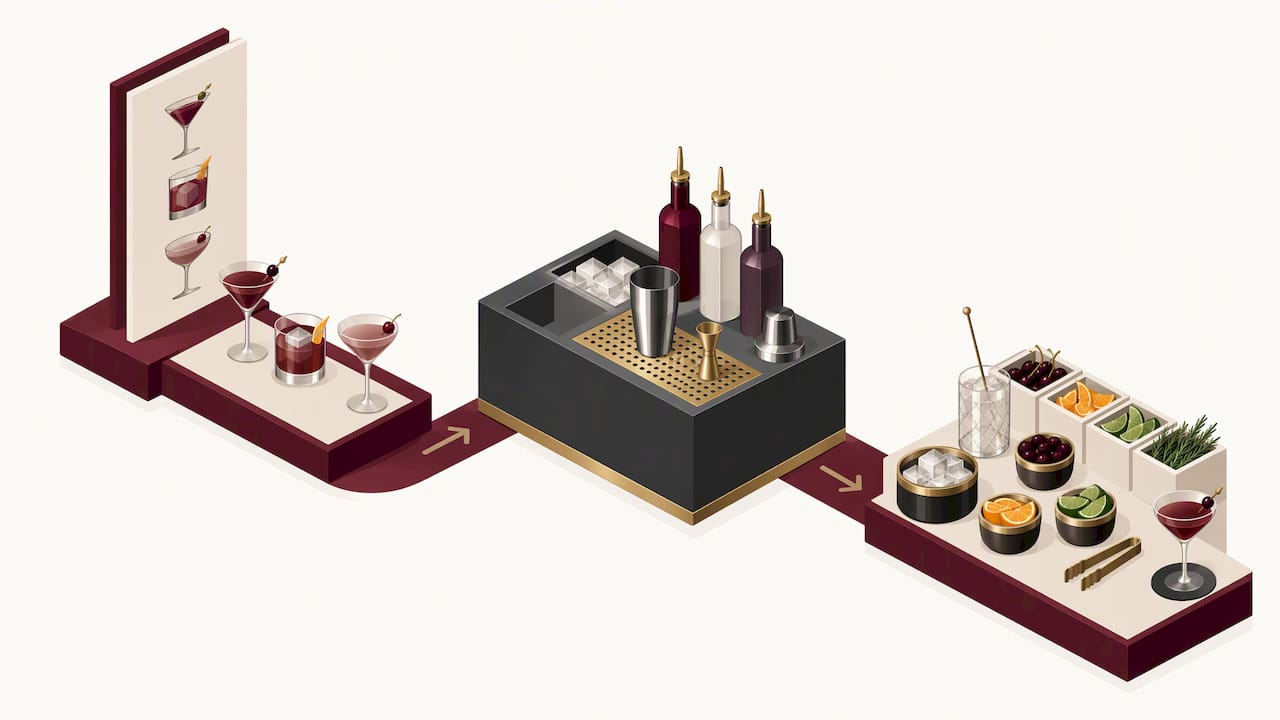
Mixologist pop-ups work because they borrow the scarcity model resorts already use. A guest bartender in town for one night, or a short residency running a few days to a few months, creates a reason to show up that a standard open bar never will. Industry coverage of Las Vegas cocktail pop-ups and residencies shows venues increasingly favor this format specifically because it elevates sponsorship value beyond passive placement.
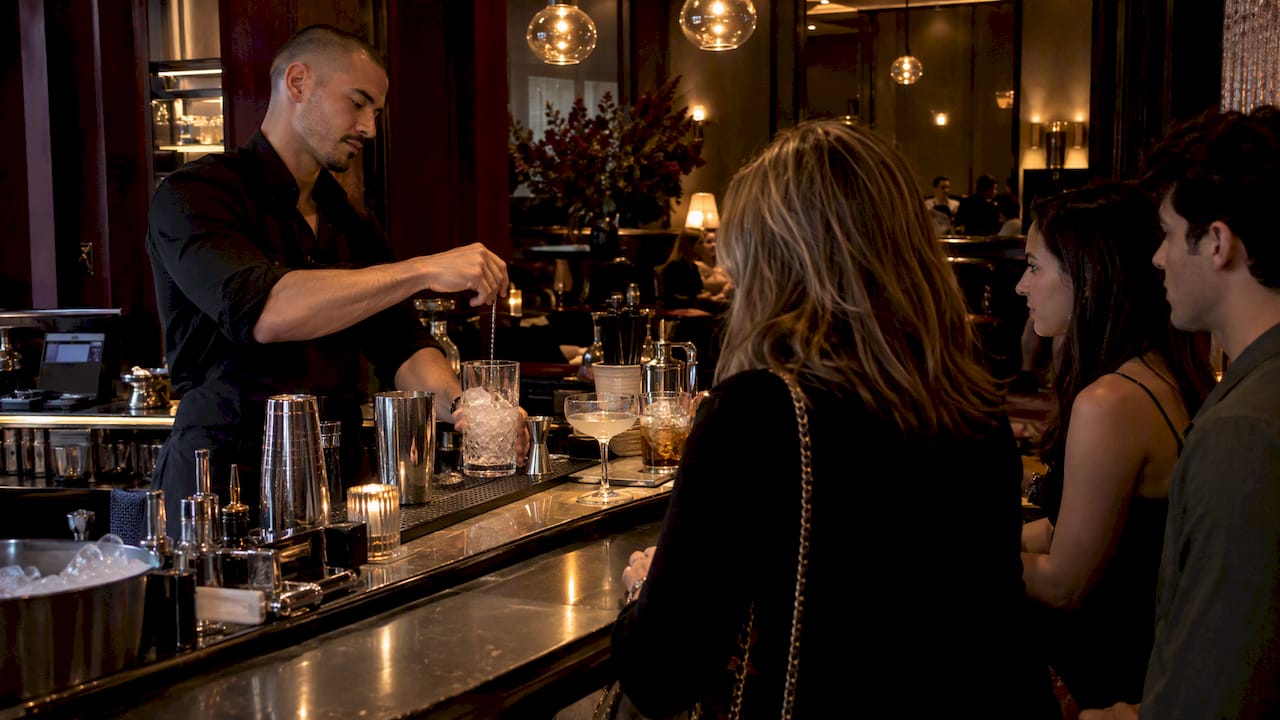
Interactive stations extend that same logic to every guest, not just the ones who attend a scheduled demo. A build-your-own station, a secret menu, or a short masterclass where guests learn one technique all give people something to do and something to post. Bartenders surveyed for 2026 trend coverage specifically recommend active participation formats like secret menus and build-your-own stations because they generate content guests create on their own, which sponsors can’t buy through paid media.
To make any of this measurement-ready, build tracking into the activation itself rather than trying to reconstruct it afterward:
- Count pours or samples served at each station using a simple tally sheet at the bar.
- Designate one photo-ready backdrop or prop near the branded station so sponsor-tagged images are easy to count later.
- Ask bartenders to note roughly how many guests asked for the secret menu or build-your-own option, since that number doubles as an engagement metric.
- Track hashtag or tag usage during the event window, not just the week after, since same-night posts tend to get the most organic reach.
Pro Tip: Give your bartenders a one-line script for the signature cocktail’s story. A consistent 10-second pitch repeated at every pour does more for brand recall than a banner most guests will walk past.
Staffing these activations correctly matters as much as designing them well. High-touch formats like masterclasses or guest-bartender demos need a lower guest-to-bartender ratio than a standard bar, since each interaction takes longer. Planners sourcing guest mixologists for pop-up and VIP formats should build extra time into the run-of-show specifically for demos and audience questions.
Permits, Timing, and Compliance for Las Vegas Cocktail Sponsorships
Every sponsored cocktail program in Las Vegas runs on top of a permit structure, and getting this wrong is the single most common way sponsorship deals fall apart close to an event date.
Liquor Caterer Permit. If a licensed caterer is serving alcohol at your event, a Liquor Caterer Permit from Clark County is required, and the standard fee is $10 per service station per day. That means a sponsorship with three branded stations costs more in permit fees than one with a single consolidated bar, which matters when you’re pricing tiers.
The standard Clark County liquor caterer fee is $10 per service station per day, and late applications received with less than 10 working days’ notice are charged double the fee. Planning your permit application alongside your sponsor outreach timeline avoids an avoidable cost increase. (Clark County)
Off-Premise Liquor Permit. For temporary events not covered by a standing venue license, Clark County’s Off-Premise Liquor Permit fees vary depending on the type of service station, with beer-only stations having the lowest fee and full liquor stations the highest. (https://www.clarkcountynv.gov/business/doing_business_with_clark_county/divisions/temporary_events/frequent-asked-questions-faq), with a beer-and-wine station typically falling in between. Which fee applies depends entirely on what’s being poured at each station, so a mixed event with both a beer station and a full-liquor sponsor activation pays two different rates.
Submission timing. Plan to submit your Liquor Caterer Permit application well in advance to avoid late fees and ensure timely approval. The permit application itself requires listing every employee serving alcohol along with their work card or training information, so this isn’t a form you fill out the week of the event.
A short compliance checklist worth building into your sponsorship timeline:
- Confirm which jurisdiction governs your venue. The Las Vegas metro includes the City of Las Vegas, Henderson, and unincorporated Clark County, each with its own permitting authority, so the wrong application can delay approval entirely.
- Confirm whether the venue already holds a standing liquor license, which changes whether you need an Off-Premise Permit at all.
- Decide early who files which permit. Typically the licensed caterer or bartending service files the Liquor Caterer Permit, while the event organizer or venue files the Off-Premise Permit when applicable.
- Build the 10-working-day submission window into your master event timeline, not just your vendor contract, since late applications double your fees.
For a deeper breakdown of how service station counts affect total permit cost, our guide on avoiding doubled permit fees in Las Vegas walks through the math station by station.
Budgeting and Resource Planning for Sponsored Cocktail Activations
Sponsors want to know their money is funding something specific, so your budget needs line items, not a lump sum. The major categories for a sponsored cocktail program are:
- Spirits and mixers, scaled to guest count and the number of signature drinks offered.
- Bar rental and equipment, including any branded or customized bar structure.
- Staffing, covering bartenders, barbacks, and any guest mixologist or talent fee.
- Glassware and signage, which carries both a rental cost and a replacement allowance for breakage.
- Insurance, typically carried by the bartending service or caterer rather than the organizer.
- Permit fees, calculated per service station as outlined above.
Staffing ratios matter more than most organizers expect. A standard bar typically runs one bartender for every 30 to 50 guests, but a high-touch activation, such as a masterclass or guest-mixologist demo, needs a tighter ratio since each pour involves conversation, demonstration, or instruction rather than a quick serve. Padding the run-of-show with extra time for these moments keeps lines manageable without overstaffing the rest of the event.
To forecast sponsor ROI, work backward from expected guest count and pour frequency:
- Estimate samples served by multiplying expected attendance by the number of pours you expect each guest to take at the sponsored station.
- Estimate impressions by adding expected in-person interactions to any social content generated from the activation.
- Compare that total against the sponsorship tier price to show a rough cost-per-impression figure sponsors can evaluate against their own marketing budgets.
Our guide to branded cocktails for corporate events includes additional detail on budgeting a signature drink program from spirits through signage.
Pitching Sponsors: A Short Outreach Template and What’s Negotiable
A sponsor pitch for a cocktail activation should lead with the guest experience, not the logo placement. Here’s a structure that works:
- Open with the experience, not the ask. One sentence describing what guests will see, taste, and do at the sponsored station, framed around the event’s theme or audience.
- State the deliverable clearly. Name the exact tier (signature cocktail, branded station, VIP tasting, naming rights) and what’s included at that price point.
- Lead with measurable outcomes. Mention expected guest count, estimated sample pours, and planned content deliverables (photos, social posts, video clips).
- Name the exclusivity, if any. If the tier includes category exclusivity (only spirit brand in the room), say so explicitly since it’s often the deciding factor for larger sponsors.
- Close with a clear next step and deadline. A specific date to confirm, tied to your permit submission timeline, keeps the sponsor from stalling past your filing window.
Sponsors evaluating a pitch generally check for the same things: expected sampling numbers, VIP guest impressions, social content deliverables, and whether any exclusivity is included. Build those four points into your proposal explicitly rather than making a sponsor ask for them.
Pro Tip: Bundle a lower-cost add-on (like a secret menu card or a mocktail option) into your mid-tier package at no extra charge. It costs you little to produce but reads as generosity, which smooths negotiation on the core price.
On payment timing, request a deposit at signing and the balance due before the event date rather than after, since post-event invoicing is harder to collect once the activation has already delivered its value. Keep measurement language specific in the contract (exact sample counts, specific content formats) rather than vague promises like “brand visibility,” which protects both sides if actual turnout differs from projections.
Local Expertise: How Liquid Courage LV Supports Sponsored Cocktail Programs
Executing a sponsored cocktail activation in Las Vegas means managing permits, staffing, and branding at the same time, and that’s where a local bartending partner earns its fee. Our services map directly onto the sponsorship concepts above:
- Mobile bartending and liquor catering cover the core service staffing a sponsorship tier requires, from a single branded station to a full bar buildout.
- Bar rental packages provide the customized, branded structure sponsors expect at Silver and Gold tier levels.
- Private bartender services and dry hire staffing give organizers flexibility to scale staffing up for high-touch activations like VIP tastings.
- Corporate events and wedding events experience means we’ve built branded cocktail programs for both audiences, which cover most sponsorship use cases organizers encounter.
Because we operate locally, we handle permit filing within relevant jurisdictions, which helps reduce delays for sponsor-ready events. Our positioning is built on extensive experience, proper licensing and insurance, and adherence to municipal codes, providing operational groundwork that helps prevent permit issues close to event dates.
Matching Sponsors to Your Event’s Audience
The biggest mismatch in cocktail sponsorship pitches is approaching every sponsor the same way regardless of who’s actually in the room. A corporate conference crowd, a wedding guest list, and a charity gala audience respond to very different activations, and sponsors know this.
Start by mapping your guest list against obvious variables: average age range, spending power, and whether the event skews social or professional. A convention audience of industry professionals is a strong fit for a spirit brand sampling activation, since attendees are there to evaluate products anyway. A wedding crowd responds better to a signature cocktail tied to the couple’s story than to an overt brand activation, which is why signature wedding cocktail ideas tend to work better as a sponsor-funded perk than a sponsor-branded one.
For fundraisers, consider whether your donor base responds better to prestige (an exclusive VIP tasting lounge) or accessibility (a build-your-own station that includes a non-alcoholic option). Mixed-age donor events often need both to avoid excluding guests who don’t drink.
When you pitch a specific sponsor, show them the match explicitly: attendee demographics, expected engagement format, and why their product or brand fits that specific room. A spirits brand targeting a younger demographic wants different proof points than a hospitality brand targeting corporate decision-makers, and naming that fit in your pitch signals you’ve thought past the sponsorship fee itself.
Evaluating Sponsors and Spotting Red Flags in Partnership Agreements
Not every willing sponsor is a good fit, and a weak partnership agreement can cost more in staffing and goodwill than the sponsorship fee covers.
Good evaluation criteria start with alignment: does the sponsor’s product fit the event’s audience and tone, and can they actually deliver what the tier promises (product supply, staff for a demo, signage on time)? A sponsor who can’t confirm product delivery or talent availability within your permit timeline creates risk for your whole event, not just their activation.
Watch for a few common red flags in draft agreements:
- Vague deliverable language (“brand visibility” instead of specific placements or counts) that makes it hard to prove the sponsorship delivered value.
- Payment terms that push the full balance to after the event, which leaves you covering upfront costs with no guarantee of final payment.
- Exclusivity clauses that aren’t clearly scoped, since an overly broad exclusivity demand can block other sponsors you’ve already committed to.
- No agreed contingency for cancellations or no-shows on the sponsor’s side (missing product, missing talent), which leaves you absorbing the cost of an empty station.
A clear written agreement, even a short one, that names deliverables, payment timing, and what happens if either side can’t deliver protects both the event and the sponsor relationship for future partnerships.
A Planner’s Perspective: Immersive Activations vs. Simpler Logo Deals
Not every event needs a mixologist residency. If your event runs once a year with a small team managing it, a simpler branded station with clear signage often delivers more reliable value than an ambitious activation nobody has bandwidth to staff properly.
Choose immersive formats when you have the lead time for permits, a venue that supports additional stations, and a sponsor willing to pay for exclusivity and content. Choose simpler logo deals when your timeline is tight, your team is small, or measurement capacity is limited. An activation you can’t staff well or measure accurately isn’t actually worth more than a clean, modest sponsorship done on time.
Red flags that a project is overreaching: permit applications filed inside the 10-day window, bartending staff ratios you can’t confirm, or a sponsor ask with no clear deliverable attached. When in doubt, scale the activation to what your timeline and staffing can actually support.
— Brennon
How Liquid Courage LV Can Help
Once you’ve chosen your sponsorship concepts, the execution side is where most of the risk sits: permits, staffing, branding, and timing all have to line up. We handle bartending and liquor catering services for weddings, corporate events, and private parties, offering customizable packages tailored to sponsor branding.
Our services that map directly to sponsorship execution include:
- Mobile bartending and liquor catering for signature cocktail and branded station activations.
- Customized bar rental packages for Silver and Gold tier buildouts.
- Private bartender and dry hire staffing for VIP tastings and high-touch formats.
If you’re planning a sponsored cocktail program for an upcoming event, visit Liquid Courage LV to request a proposal and talk through staffing, branding, and timeline details before your permit deadline arrives.
FAQ
What Is the 50% Rule in Bartending?
Bars apply it loosely as a planning guideline rather than a fixed formula, since exact ratios vary by recipe and spirit strength.
What Are Some Popular Vegas Theme Cocktails?
Las Vegas event menus often lean on bright, photogenic drinks and desert-inspired flavors like prickly pear, grapefruit, and citrus. A low-ABV option like the Nevada Cocktail, a rum and grapefruit drink mixing to around 13% ABV, is a common crowd-friendly choice for themed events.
What Is the 2:1:1 Rule for Cocktails?
The 2:1:1 rule is a common ratio guideline of two parts spirit to one part sour (citrus) to one part sweet, used as a quick starting formula for sours and similar cocktails. Bartenders adjust the exact proportions to taste depending on the spirit and sweetener used.
What Is the Most Popular Cocktail in Las Vegas?
There’s no single official ranking of the most popular cocktail across Las Vegas, since preferences shift by venue, season, and event type. Classic sours, margarita variations, and low-ABV, grapefruit-forward drinks like the Nevada Cocktail remain common staples on event and resort menus.
How Do I Know Which Liquor Permit My Event Needs in Las Vegas?
It depends on whether a licensed caterer is serving alcohol (requiring a Liquor Caterer Permit) or whether the event itself needs a separate Off-Premise Liquor Permit for a temporary location. Confirming which Las Vegas metro jurisdiction governs your venue is the first step, since requirements vary by city and county line.
Sources
- Liquor caterer license and permit — Clark County
- Nevada daiquiri recipe — Difford’s Guide
- Savor Society culinary and cocktail showcase at Resorts World Las Vegas — Travel Weekly